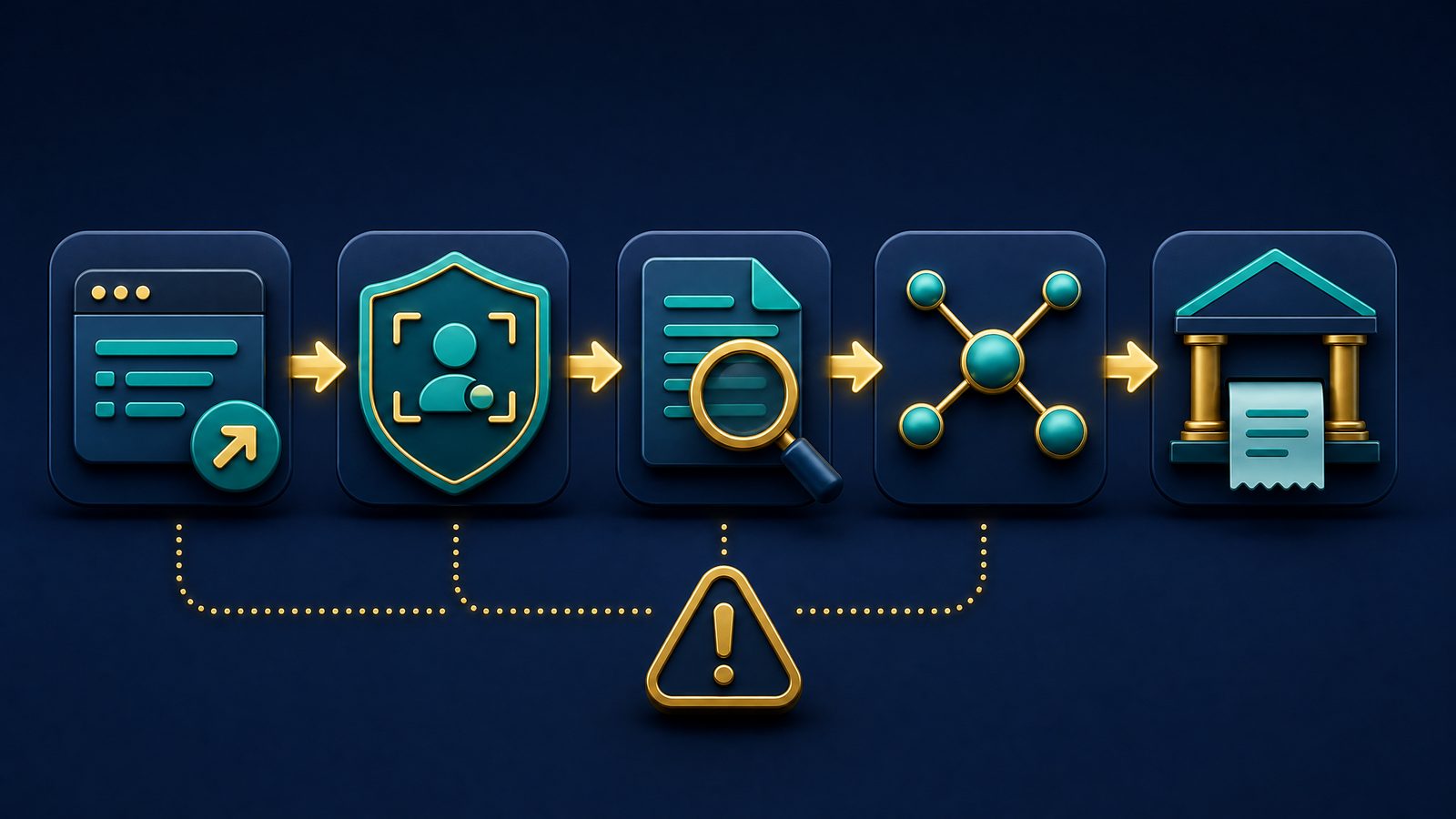










This evidence-led guide — this page does not advise anyone to bypass or evade GAMSTOP or any form of self‑exclusion. If you have an active self‑exclusion, a gambling-related court order, or serious concerns about your gambling, do not use this page to find another place to gamble. If you are in immediate distress, contact local emergency services.
Support and confidential help: if you are worried about gambling harm, you can register with GAMSTOP to self‑exclude from participating online operators, contact GambleAware for information and treatment options, or use local specialist services for emotional and practical support. Official links are listed in the Sources section below.
Advertising and affiliate disclosure: this page contains no affiliate links. Where commercial links or third‑party adverts appear elsewhere on this site, they are treated as advertising and may generate a commission for the publisher; this does not change the evidence standard applied here and no commercial claim on this page is presented as a substitute for regulatory or clinical advice.
Why people search this phrase
Searches such as the page title commonly reflect a mix of motivations: curiosity about market differences, an attempt to find services perceived as less restricted, or a desire for different products, payment options or promotions. Some users search from a purely informational perspective — for example, to understand regulatory differences between operators — while others may be looking for ways to avoid controls such as self‑exclusion. It is important to separate legitimate consumer research from attempts to evade protections. This article focuses on facts, risks and safer options for people concerned about gambling harm.
Common informational reasons include:
- Understanding what GAMSTOP does and which operators participate.
- Learning the difference between GB licences and foreign licences held by operators outside GAMSTOP.
- Finding authoritative routes for consumer complaints, dispute resolution and support.
Search intent that aims to circumvent self‑exclusion raises clinical and regulatory concerns. If your search is motivated by trying to avoid GAMSTOP, please stop and seek confidential support instead.
What GAMSTOP does and does not cover
GAMSTOP is an independent national online self‑exclusion scheme for people in Great Britain. When you register with GAMSTOP you are added to a central register so participating online gambling businesses will not permit you to open or continue remote gambling accounts with them for the period you choose. For an official overview see GAMSTOP’s about page.
What GAMSTOP covers (summary):
- Self‑exclusion from participating online gambling businesses that have agreed to use the GAMSTOP service.
- Registration choices for exclusion length (for example, months to years — see GAMSTOP for current options).
- Centralised enforcement only where an operator participates in the scheme.
What GAMSTOP does not do:
- It does not affect retail (in‑person) gambling or non‑participating online businesses.
- It is not a substitute for clinical treatment or financial advice for people experiencing harms.
- Registration does not remove the need to use other controls (banking blocks, family or clinical support) where appropriate.
Importantly, GAMSTOP’s scope depends on which operators opt in or are required to participate. The UK Gambling Commission sets licensing and regulatory rules for Great Britain and provides a public register of licensed businesses; see the UKGC public register for verification of operator licences at UKGC public register.
UKGC‑licensed operators and GAMSTOP participation
Operators licensed to offer remote gambling to consumers in Great Britain are subject to UK law and UK Gambling Commission rules. The UKGC publishes guidance and research on licensed and unlicensed markets; for research into the unlicensed sector see the Commission’s analysis on identifying unlicensed operators and market estimates at UKGC unlicensed gambling research.
Key points for consumers:
- Being licensed by a foreign regulator (for example, a non‑UK authority) is not the same as UKGC authorisation and does not automatically give UK consumers the same protections as a GB licence.
- Operators that do not participate in GAMSTOP or are not licensed by the UKGC may not be subject to the same rules on safer gambling, fairness, complaints handling or local legal remedies.
- Before using any online gambling service, check the operator’s licence status via the UKGC public register rather than assuming a foreign licence provides equivalent protection.
Why self‑exclusion should not be bypassed
Self‑exclusion is a tool used by people who recognise gambling is causing harm. Bypassing a self‑exclusion scheme undermines that protection and can worsen financial, emotional and social consequences. The reasons to avoid bypassing include:
- Clinical risk: returning to gambling while in a period of self‑exclusion can trigger relapse into harmful patterns already identified by the person or their clinician.
- Consumer protection concerns: non‑participating or unlicensed sites may offer reduced complaint routes, unclear dispute resolution and weaker consumer safeguards.
- Legal and financial uncertainty: funds, withdrawals and dispute handling may be more difficult when an operator is outside the jurisdiction of UK regulators.
For anyone tempted to find alternative sites while self‑excluded, it is safer to use the period of exclusion to access support, review finances, and create practical barriers to gambling rather than attempting to circumvent protections. The ASA and CAP advertising rules also require that gambling advertising must not target or encourage vulnerable people; see the ASA CAP code for gambling advertising rules at ASA/CAP gambling rules.
Practical steps if you want to stop or pause gambling
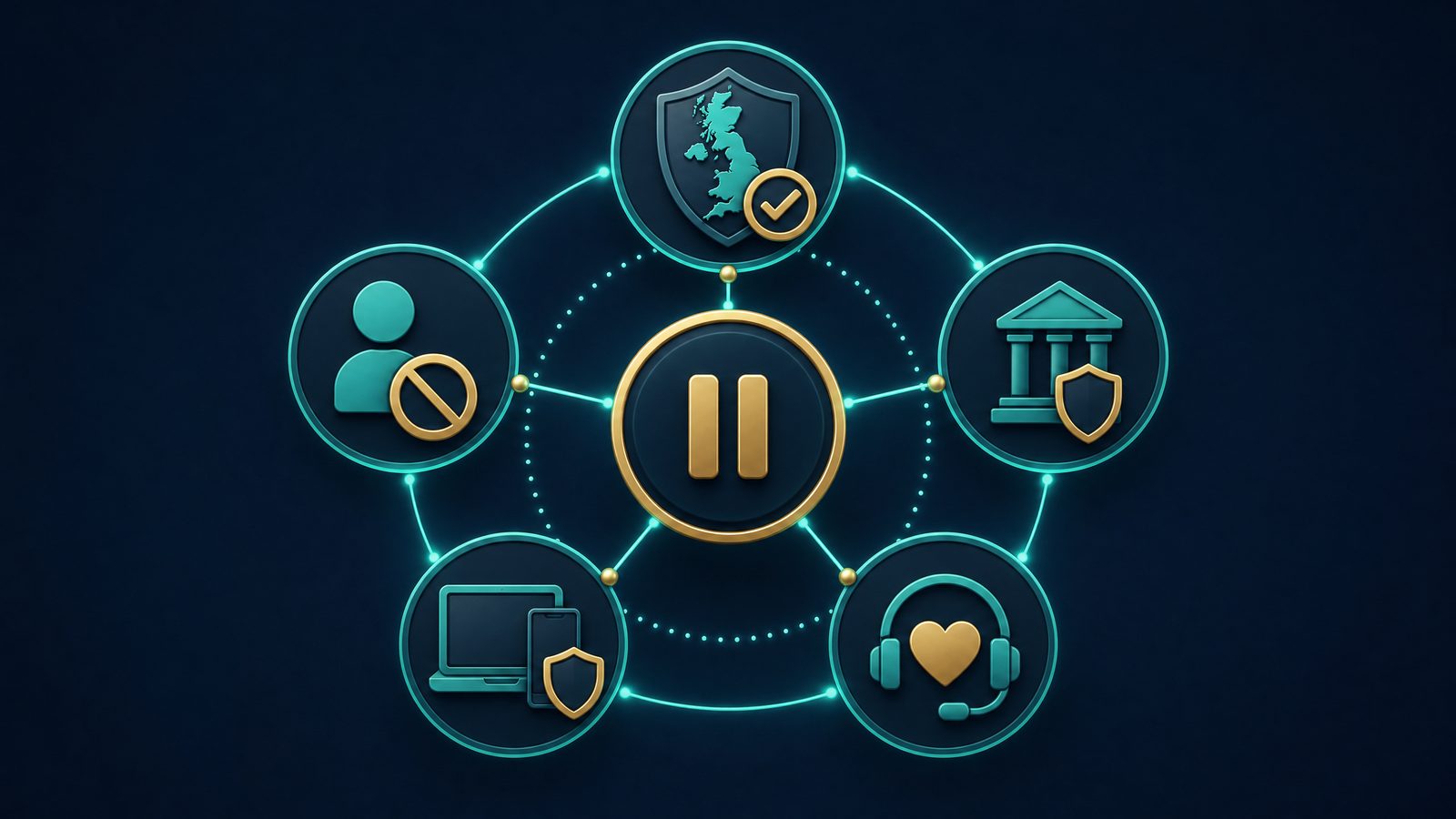
If you want to stop or put a pause on your gambling, consider a combination of regulatory, financial and clinical steps. The following measures are evidence‑led and framed to reduce harm — they are not a way to find alternative sites.
1. Register with GAMSTOP
Registering with GAMSTOP prevents access to participating online operators for the chosen period. If you are unsure whether an operator participates, check with GAMSTOP and the UKGC public register. GAMSTOP is designed as a centralised measure and should be an early step for people in Great Britain seeking a formal pause.
2. Seek confidential clinical and practical support
GambleAware offers impartial information, self‑help tools and contacts for funded treatment and support in Great Britain. Find information and helplines at GambleAware. Reaching out to a clinician, counsellor or local support group can help address the psychosocial drivers of gambling harm.
3. Use financial safeguards
Many people find it helpful to introduce financial barriers that reduce impulsive access to gambling funds. Options include speaking to your bank about gambling block tools, setting daily spending alerts, and discussing spending controls with trusted family members or advisors. These are practical safeguards; seek independent financial advice for persistent issues.
4. Device and account hygiene
Remove casino and betting apps from devices, sign out of accounts you no longer use, and consider using password managers and family agreements to restrict access. These steps are part of a safer‑gambling toolkit rather than a method to find unregulated services.
5. Build a recovery and relapse‑prevention plan
Work with a clinician or support service to develop a plan that identifies triggers, coping strategies and accountability measures. This can include alternative leisure activities, changes to routines, and regular check‑ins with a support contact.
Questions about gambling controls and consumer protection
This section explains how to check licences, report concerns and use official complaint routes without encouraging circumvention of safeguards.
How to check whether an operator is UK‑licensed
Use the UK Gambling Commission public register at UKGC public register. The register lists businesses and their permitted activities; it is the authoritative source for licence verification in Great Britain.
What to do if you think an operator is unlicensed or breaking rules
If you believe an operator is unlicensed or breaching UK rules, report your concern to the UK Gambling Commission. The Commission publishes research and guidance on unlicensed markets and investigative methods at UKGC unlicensed market research. Reporting unlicensed activity helps regulators prioritise consumer protection work.
Advertising and affiliate marketing concerns
The Advertising Standards Authority and Committee of Advertising Practice set rules for gambling advertising. If you spot potentially harmful or targeted gambling advertising, consult the ASA CAP code for section 16 on gambling and then raise a complaint through ASA guidance. The ASA also publishes specific advice on affiliate marketing disclosure; see ASA affiliate‑marketing guidance.
Complaint routes for consumer disputes
If you have a complaint about an operator, first use the operator’s published complaints procedure. For UK‑licensed operators, the UKGC and independent ADR (alternative dispute resolution) services may be available if the operator’s internal process does not resolve your issue. Keep records of communications and transaction receipts to support any complaint.
Note: complaint routes and legal remedies differ for operators based outside Great Britain. This can affect the speed and enforceability of any outcome.
Related, non‑promotional reading on this site
For readers looking for factual background or general information (not as a recommendation to evade protections), see our related editorial pages:
- Why UK Players Choose Non GamStop Casinos — The Real Reasons — an exploration of motivations and market drivers.
- List Of Casinos Not On Gamstop — an informational list; this page does not endorse using those services if you are self‑excluded.
- Basic Strategies for Playing Online Casino Games — general information about game rules and risk awareness, not a route to avoid safeguards.
Author, review date and sources
Reviewed by: Senior UK editorial team — content prepared to meet consumer information standards and safer‑gambling responsibilities. Review date: 5 September 2026.
Key sources and further reading (official links):
- GAMSTOP — about the service
- UK Gambling Commission — public register
- UKGC — unlicensed gambling research
- GambleAware — get help now
- ASA/CAP — gambling advertising rules
- ASA — affiliate marketing guidance
Compliance note: because the page title cannot be changed in the content management system, this page must pass legal and compliance approval before republication. The body copy, links and any accompanying visuals are explicit in opposing self‑exclusion evasion and signpost support services.
Frequently Asked Questions
Does GAMSTOP cover online gambling operators licensed in Great Britain?
GAMSTOP is designed as a national self‑exclusion service that participating online operators use to prevent registered individuals from opening or continuing accounts. Many UK‑facing operators licensed in Great Britain participate in GAMSTOP; to confirm an operator’s licence status consult the UK Gambling Commission public register at UKGC public register. Participation in GAMSTOP is central to how self‑exclusion is enforced for remote gambling in Great Britain, but exact participation can vary by operator and licence conditions.
Should I look for another casino if I have self‑excluded?
No. Searching for or using alternative casinos to bypass a self‑exclusion undermines the protective intent of self‑exclusion and increases the risk of harm. If you have self‑excluded and feel tempted to gamble, contact a support service such as GambleAware for confidential advice and treatment options at GambleAware, or discuss clinical or financial measures with a qualified professional.
What can I do to block gambling websites and payments?
There are legitimate technical, financial and personal measures to reduce gambling access: register with GAMSTOP, speak to your bank about transaction controls or gambling blocks, remove gambling apps, and use trusted support networks. Do not use these measures to try to access services in breach of a self‑exclusion. For financial concerns, seek independent financial advice and inform your bank if gambling is causing harm.
Where can I get confidential gambling support in the UK?
Confidential support and treatment information is available from GambleAware and other local services. GambleAware’s get‑help pages list treatment providers and helplines; see GambleAware. If you are at immediate risk of harm, contact emergency services.
How do I report a potentially unlicensed gambling operator?
If you believe an operator is operating without appropriate authorisation for Great Britain, report the matter to the UK Gambling Commission. The Commission researches the unlicensed market and investigates complaints; see their guidance and publications at UKGC unlicensed gambling research for context on how unlicensed activity is identified.
End of page.